
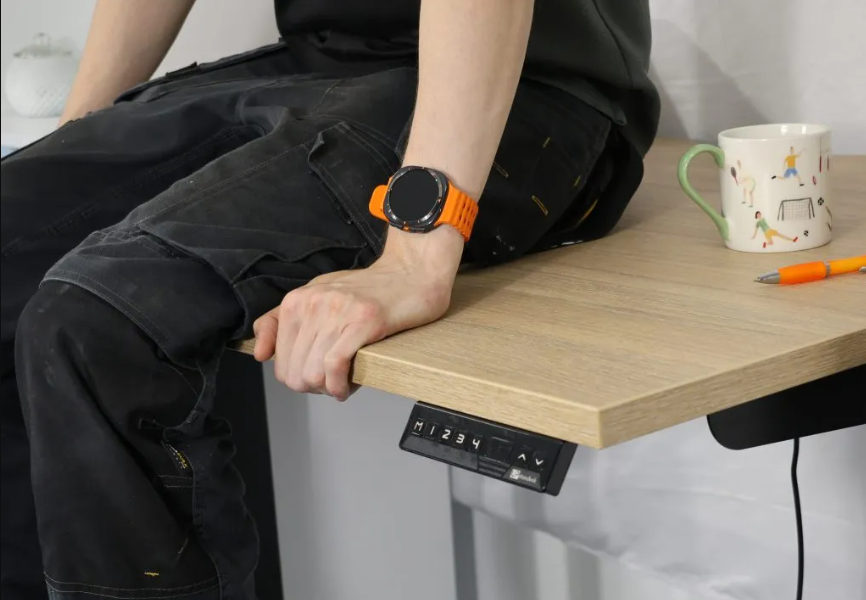
Standing desks have become a popular fixture in modern workplaces and home offices, often hailed for their health and productivity benefits. But are standing desks really worth the investment? In this article, we’ll explore the advantages and potential downsides of standing desks, their use cases, and how they compare to traditional sitting desks. By the end, you’ll have a clear understanding of whether a standing desk is right for you.
What is a Standing Desk?
A standing desk, sometimes called a height-adjustable desk or sit-stand desk, allows users to alternate between sitting and standing while working. These desks typically come with adjustable heights, either manually or via electric controls, allowing you to set the desk to a comfortable level based on your standing or sitting position.
Why Use a Standing Desk?
Health Benefits
One of the primary reasons people invest in standing desks is for the health benefits. Sitting for extended periods has been linked to numerous health issues, such as back pain, obesity, and even increased risk of heart disease. In contrast, using a standing desk helps reduce sedentary behaviour and encourages movement throughout the day.
Some key health benefits of standing desks include:
- Improved posture: Standing desks encourage better posture, which can alleviate back and neck pain caused by prolonged sitting.
- Increased energy: Standing increases blood flow, potentially boosting energy levels and reducing fatigue.
- Lower risk of weight gain: By standing more, you naturally burn more calories compared to sitting, helping with weight management.
Enhanced Productivity
Many standing desk users report increased focus and productivity. By standing, your body stays more engaged, and some studies suggest that the simple act of changing positions can help improve concentration.
For those who struggle with mid-afternoon energy slumps, alternating between sitting and standing can be a game-changer.
Who Benefits Most from Standing Desks?
Standing desks are particularly beneficial for individuals who:
- Work long hours at a desk: Whether in a corporate office, home office, or creative studio, professionals who spend the majority of their day sitting will benefit from reducing sedentary time.
- Suffer from back or neck pain: Those with posture-related pain may find relief by using a standing desk to minimize strain on their spine.
- Seek a healthier lifestyle: If you’re aiming to reduce the health risks associated with long hours of sitting, a standing desk can be a valuable addition to your workspace.
Where Are Standing Desks Commonly Used?
Standing desks are versatile and can be found in a variety of environments:
- Corporate offices: Many companies now offer standing desks as part of an ergonomic work setup to support employee well-being.
- Home offices: With the rise of remote work, standing desks are becoming increasingly popular in home office setups.
- Creative spaces: Artists, architects, and designers often use standing desks to work more dynamically, moving between drawing, typing, and reviewing work.
Comparing Standing Desks to Traditional Desks
Comfort and Ergonomics
Traditional desks encourage sitting for long hours, which can contribute to health problems over time. While a standard desk paired with an ergonomic chair can offer support, the risk of discomfort increases with extended use.
On the other hand, standing desks offer versatility. Most standing desks are designed to be adjustable, allowing you to switch between sitting and standing positions. This flexibility can improve both comfort and posture. However, standing for too long can also lead to discomfort, so it’s important to use anti-fatigue mats and take sitting breaks.
Cost Considerations
Standing desks generally cost more than standard desks, especially if you opt for an electric model. However, the long-term benefits of improved health, productivity, and comfort often outweigh the initial investment. Many users find that the cost is justified by the reduction in doctor visits and other health-related expenses.
Space and Aesthetics
In terms of space, standing desks can be bulkier than traditional desks, particularly if they come with electric height adjustments or additional ergonomic features. However, many models are designed with modern aesthetics in mind, meaning they can fit well in a variety of office settings. If space is a concern, there are compact standing desk options and desk converters available, allowing you to transform your current desk into a standing workspace.
Are Standing Desks Worth the Investment?
For many users, standing desks are absolutely worth the investment. The health benefits, including reduced back pain, improved posture, and increased energy levels, can significantly enhance your quality of life. For those who spend long hours working at a desk, the ability to alternate between sitting and standing offers a welcome break from sedentary habits.
However, standing desks are not a one-size-fits-all solution. Some users may find it challenging to stand for long periods or may not experience the same productivity boosts as others. In these cases, it’s crucial to use a standing desk correctly—alternating between sitting and standing, using ergonomic mats, and maintaining good posture.
Conclusion
Ultimately, whether a standing desk is worth it depends on your individual needs and work habits. If you’re looking to improve your health, reduce back pain, and boost your productivity, a standing desk could be a valuable addition to your workspace. For others, combining a traditional desk with ergonomic accessories may provide similar benefits. Either way, investing in your long-term comfort and health should be a priority in any work environment.